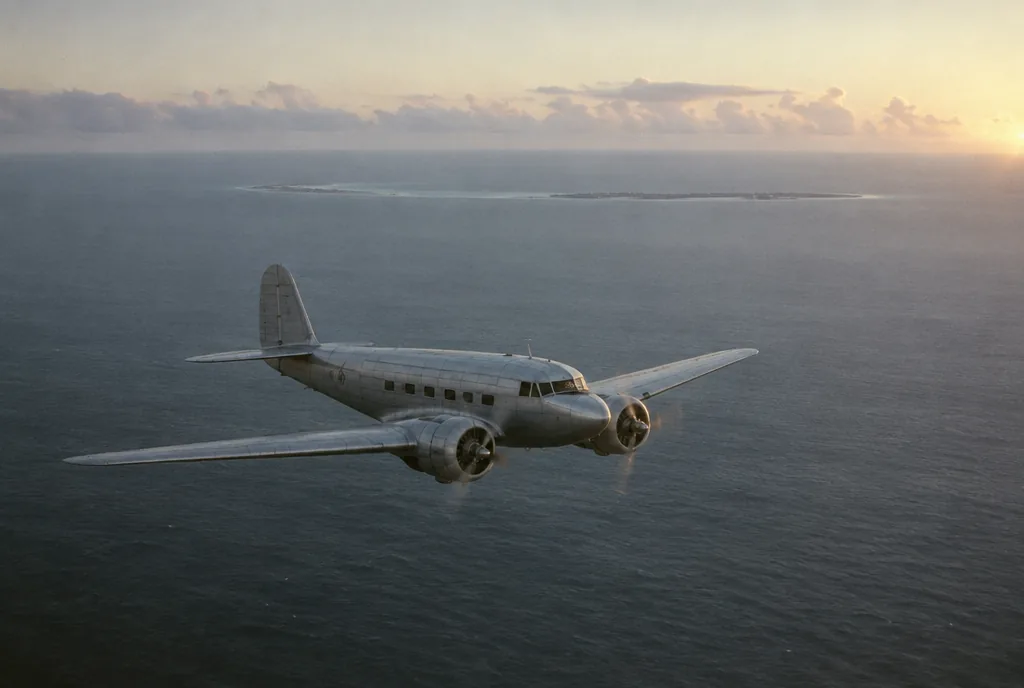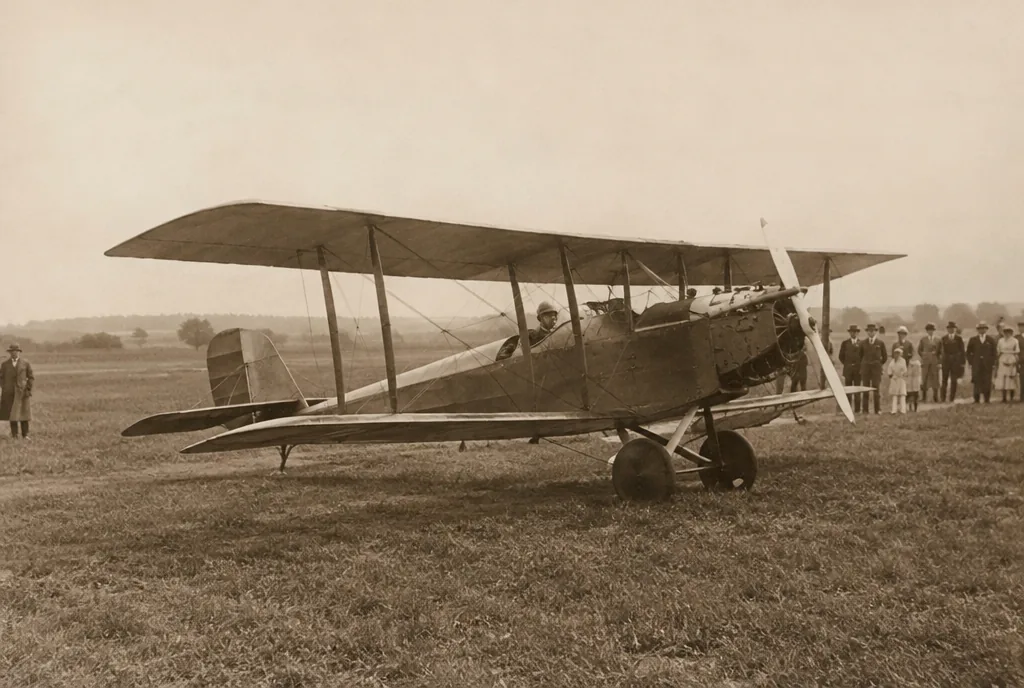
A little more than a century after the Wright brothers’ first hop, air travel is routine: U.S. airlines carry well over two million passengers on a typical day, and jets cross oceans in hours that once took weeks. Speed has changed less than many people think since the 1960s; what has changed most is the ground experience. Today the security checkpoint shapes air travel as much as the airplane does. This article explains how screening developed, what happens at a U.S. checkpoint today, and how to get through it without stress.
From open gates to universal screening
Into the 1960s, passengers in the United States walked from the street to the gate without any check. Friends and family could see travelers off at the door of the airplane. That changed with a wave of hijackings: between 1968 and 1972 more than 130 U.S. aircraft were hijacked, many diverted to Cuba. The 1971 case of “D. B. Cooper,” who jumped from a Boeing 727 with a ransom and was never identified, became the best-known example.
In response the Federal Aviation Administration required universal passenger screening from January 5, 1973. Every passenger walked through a metal detector, and every carry-on bag passed through an X-ray machine. Airlines paid private contractors to run the checkpoints, and that system stayed in place for almost 30 years.
After September 11, 2001
The attacks of September 11, 2001, led to the largest overhaul of aviation security in U.S. history. The Aviation and Transportation Security Act, signed on November 19, 2001, created the Transportation Security Administration (TSA) and moved screening from private contractors to federal officers. Several other measures followed:
- Reinforced cockpit doors: bulletproof, locked doors became mandatory on airliners serving the United States.
- Federal Air Marshals: the small marshal service was expanded so that armed, plainclothes officers fly on many flights.
- Federal Flight Deck Officers: volunteer pilots who complete federal training may carry a firearm to defend the cockpit.
- Gate access: only ticketed passengers may pass the checkpoint, with exceptions for escorts of children or travelers who need help.
Rules that answered specific threats
Shoes
In December 2001 a passenger tried to ignite explosives hidden in his shoe on a flight from Paris to Miami. Shoe screening followed, and removing shoes became mandatory at U.S. checkpoints in 2006. Better scanners made the rule unnecessary for most travelers, and TSA ended the general shoes-off requirement in July 2025. Officers may still ask for shoes to be removed during additional screening.
Liquids
In August 2006 British police broke up a plot to bring liquid explosives disguised as drinks onto transatlantic flights. Liquids were banned from cabins for several weeks, and the 3-1-1 rule replaced the ban that fall. It still applies:
- containers of 3.4 ounces (100 milliliters) or less
- all of them in one clear, quart-size bag
- one bag per passenger
Medicines, breast milk, infant formula and baby food in reasonable amounts are exempt but should be declared to the officer. Some airports with new CT scanners let travelers leave the liquids bag inside the carry-on in certain lanes; the size limit itself has not changed.
The technology at the checkpoint
Metal detectors cannot find plastic or liquid explosives, so TSA added new layers:
- Advanced imaging technology: millimeter-wave body scanners, widely used since about 2010, detect non-metallic objects under clothing. Today’s units show a generic outline rather than an image of the body. Passengers may ask for a pat-down instead.
- Computed tomography (CT): 3D scanners for carry-on bags, similar to medical CT, give officers a rotatable image and reduce the need to unpack laptops and liquids.
- Credential authentication: ID readers check the traveler’s license or passport and match it to flight data, so many airports no longer need a boarding pass at the podium. Some lanes add a photo comparison.
- Explosives trace detection: swabs of hands or bags are tested for residues within seconds.
Identification: REAL ID
Since May 7, 2025, a state driver’s license or ID card is accepted at TSA checkpoints only if it is REAL ID-compliant, usually marked with a star in the upper corner. A U.S. passport, passport card, military ID, permanent resident card or trusted traveler card also works. Adult travelers without an acceptable ID face extra identity checks and delays. Children under 18 traveling within the U.S. with an adult do not need ID at the checkpoint.
Trusted traveler programs
TSA PreCheck, launched in 2011, gives pre-approved low-risk travelers separate lanes where they can keep light jackets, belts, laptops and liquids in place. Approval requires an online application, fingerprints and a background check, and membership lasts five years. Global Entry speeds re-entry through U.S. customs after international trips and includes PreCheck. Current fees and enrollment locations are listed on the TSA and U.S. Customs and Border Protection websites.
Security in other countries
Approaches differ around the world. Israel’s El Al and Ben Gurion Airport rely heavily on trained security staff who interview every passenger, sometimes at length, in addition to technical screening. Many European airports use the same liquid rules as the United States, while some have already relaxed them at checkpoints equipped with CT scanners. Travelers connecting through foreign airports should check the local rules, especially for duty-free liquids on onward flights.
Checklist for a smooth checkpoint
- Carry a REAL ID-compliant license or a passport.
- Pack liquids under 3.4 ounces in one clear quart bag and keep it easy to reach.
- Declare medicines, breast milk and formula at the start of screening.
- Empty pockets into the carry-on before reaching the bins.
- Check the TSA list before packing tools, sporting goods or batteries; spare lithium batteries belong in the carry-on, not checked bags.
- Arrive two hours early for domestic and three hours early for international flights at busy airports.
Flying itself has also become faster and more efficient since the first jets. For the story of how aircraft first broke the sound barrier, see the first supersonic flight.
Frequently Asked Questions
Do I still have to take my shoes off at airport security?
Not in most cases. TSA ended the general shoes-off rule in July 2025, but officers can still ask for shoe removal during extra screening.
Is the 3-1-1 liquids rule still in effect?
Yes. Carry-on liquids must be in containers of 3.4 ounces or less in one quart-size bag. Medicines and baby food are exempt in reasonable quantities.
What ID do I need to fly within the United States?
A REAL ID-compliant driver’s license or state ID, or another accepted document such as a U.S. passport, passport card or military ID.
Can pilots carry guns?
Yes, if they are trained and deputized through the Federal Flight Deck Officer program run by TSA.